Yes, the name sounds grim. But a Swedish death cleaning checklist is one of the kindest decluttering methods out there — and it works beautifully in a small apartment. The Swedish word is döstädning (dö = death, städning = cleaning). Popularised by Margareta Magnusson's 2017 book The Gentle Art of Swedish Death Cleaning, it means sorting your belongings while you are alive and well, so the people you love never have to do it in grief, in a hurry.
This is not about emptying your home. It is about keeping what you use and love, giving the good things away while you can still see them enjoyed, and leaving a home that tells your story. Below is the checklist, adapted for a one- or two-bedroom apartment — no attic, no garage, no spare room required.

What Swedish Death Cleaning Actually Is (and Isn't)
It is a slow clear-out over weeks or months — not a weekend purge. Start with the big, unemotional things; save photos and letters for last. As Magnusson writes, it is "a permanent form of organisation that makes your everyday life run more smoothly".
It is not only for people over 65, not about throwing everything away, and not a race. If the idea feels heavy, start with one drawer and fifteen minutes — or read our guide on how to start decluttering when you're overwhelmed.
The 7 Questions to Ask Every Item
Keep these beside you — they do the deciding:
- Do I use it, or love it, right now? If yes, it stays.
- Who would want this — by name? Ask them now.
- Would anyone know why I kept it? If not, write a sentence about it or let it go.
- If I moved tomorrow, would I pay to move this? It cuts through obligation.
- Am I keeping it from guilt, or from love? Guilt is not a storage system.
- Could a photo replace the object? A photo plus a note often keeps the memory better.
- Does keeping it make my life easier, or heavier? Your home should serve the life you live now.
The Swedish Death Cleaning Checklist, Room by Room (Small Apartment Edition)
Work in this order — easiest first, most sentimental last. Set a timer, stop when it rings, come back tomorrow. There is no deadline.
1. The Bathroom (30 minutes)
The easiest start, because almost nothing here is sentimental. Bin expired medicines (pharmacy drop-off if available), half-empty bottles, and anything untouched in six months. Keep one of each product you use.
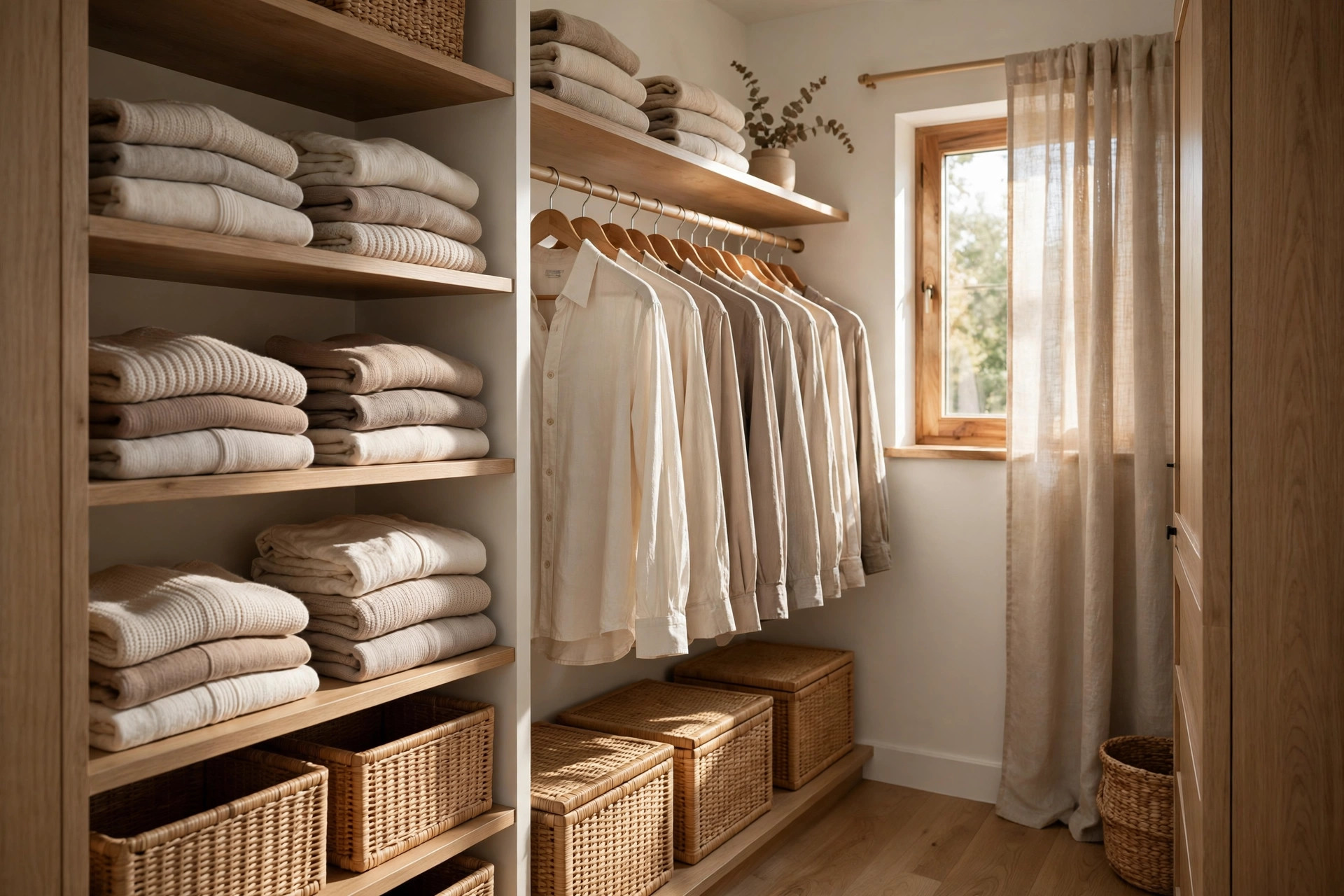
2. The Linen Closet (20 minutes)
Keep two sets of sheets per bed and two towels per person, plus one spare set for guests. Old towels make good cleaning rags — cut up three and recycle the rest.
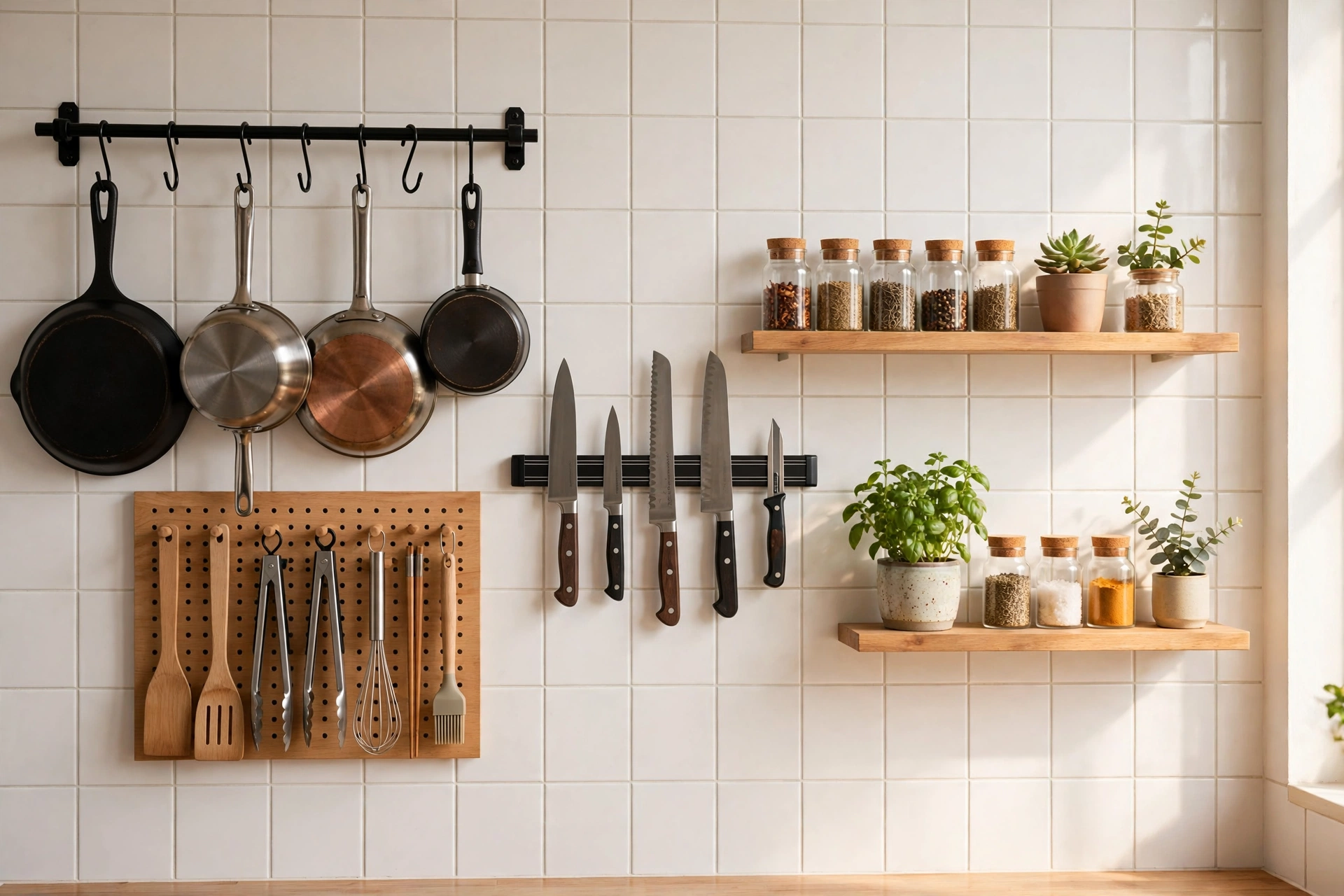
3. The Kitchen (1–2 hours)
Start with duplicates: two peelers, three spatulas, the gadget you used once. Keep one of each tool you use. Then the serving dishes and "good china" — ask family now who would like them. See our room-by-room decluttering checklist for more kitchen ideas.

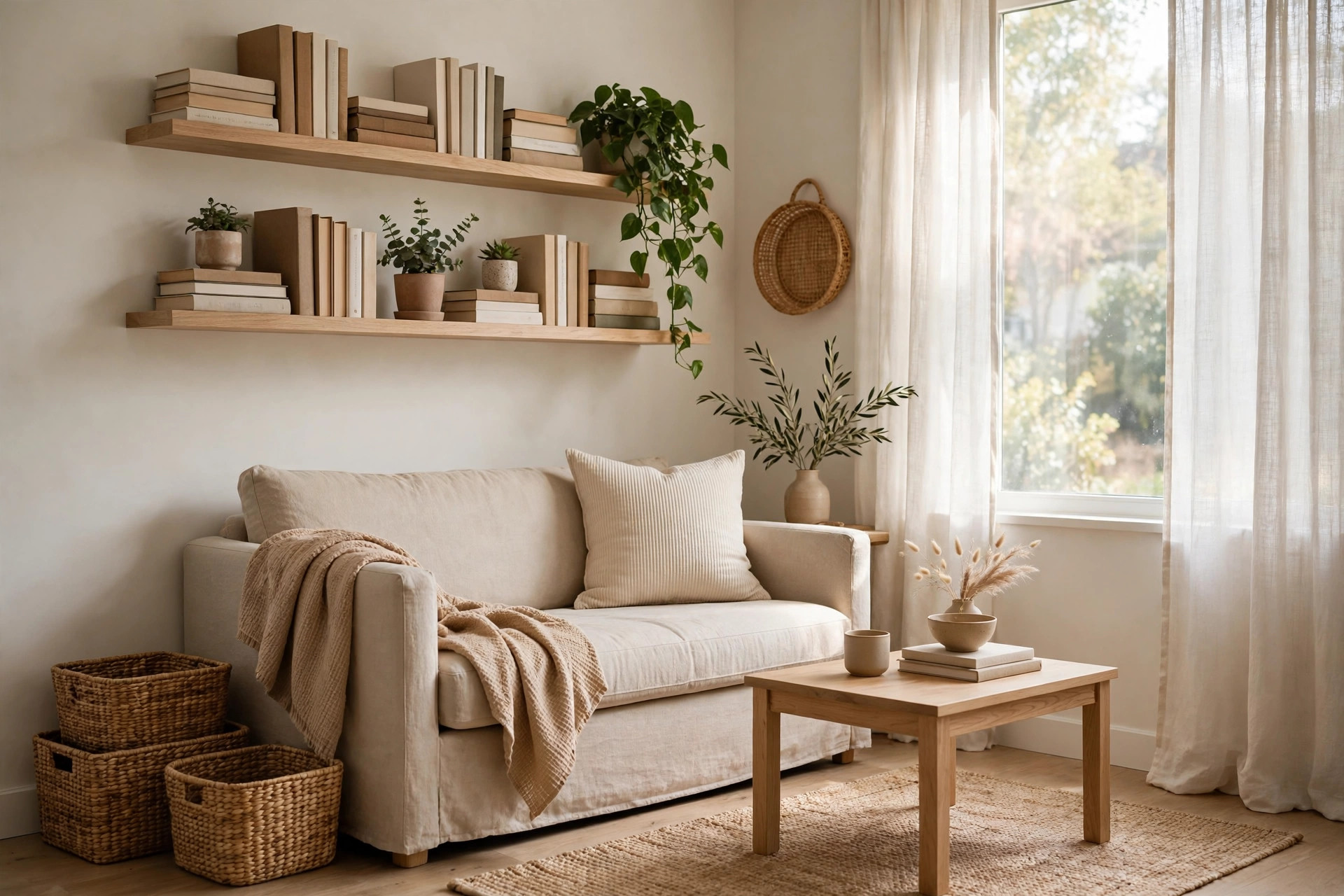
4. The Living Room (1 hour)
Books you will not re-read, DVDs you will not re-watch, decor you no longer love. This room is also the hallway, office and guest room, so be strict: if it does not earn its place, it goes.
5. The Bedroom and Closet (2 hours)
Take everything out and put back only what fits, what you wear, and what you love. Clothes unworn for a year go in the donate bag, in good condition. For a stricter method, the KonMari method checklist for small apartments works well alongside this one.

6. Hidden Storage: Under the Bed, Top of the Wardrobe (1 hour)
Most guides say "start with the attic." In an apartment, this is your attic: boxes unopened since you moved in. If you have lived without something for a year and never missed it, the decision is made.
7. Papers, Passwords and Digital Files (1–2 hours, over days)
The part most guides skip — and the part families struggle with most. Gather the essentials in one folder and tell someone where it is: ID documents, the lease, insurance, bank details, and a list of accounts and passwords. Shred the rest. Then the digital version: back up the photos you love, delete duplicates, and set a legacy contact on your phone.
8. Photos, Letters and Keepsakes — Last, Slowly, Kindly (ongoing)
Save this for last. Keep the best photos, label names and dates, and digitise what you can. For letters and keepsakes, keep the story: a note about who gave it to you and why it mattered. A private box is part of the method — label it and say who should open it.
Where Everything Goes: Donate, Sell, Recycle, Keep
Set up four destinations before you start — in a small apartment, outgoing things must leave fast or they creep back:
- Give to a named person: hand it over this week, or post it.
- Donate: charity shops, shelters, community groups — many collect from your door.
- Sell: only items worth real money; list them the same day or donate them.
- Recycle or bin: broken electronics to e-waste collection; old paint and batteries to hazardous-waste drop-off.
- Keep: one box for private things, one folder for papers, and what you genuinely use and love.
Tip: Work in 30-minute sessions and reward yourself after each one — a coffee, a walk, a favourite show. Magnusson suggested thirty minutes a day as a starting pace. Slow is the point.
"Death cleaning is not about dusting or mopping up; it is about a permanent form of organisation that makes your everyday life run more smoothly." — Margareta Magnusson
The One-Page Printable Checklist
Copy this list, stick it on the fridge, tick rooms off as you finish it:
- ☐ Bathroom — expired products out
- ☐ Linen closet — two sets per bed
- ☐ Kitchen — no duplicates, china offered to family
- ☐ Living room — kept only what you love
- ☐ Bedroom and closet — unworn clothes donated
- ☐ Hidden storage — under-bed boxes decided
- ☐ Papers and passwords — one folder, family told where it is
- ☐ Photos and letters — best kept, labelled, stories written down
- ☐ Private box — labelled, with opening instructions
- ☐ Outgoing bags — donated, sold or recycled within the week
For a first-person account, Apartment Therapy's 4 Things I Learned About Swedish Death Cleaning is a warm read, and Ideal Home's writer tried Swedish death cleaning in her own home.
Frequently Asked Questions
What is Swedish death cleaning?
Swedish death cleaning, or döstädning, is the gradual process of sorting your belongings while you are alive and well, so loved ones are not left with a houseful of decisions.
At what age should I start Swedish death cleaning?
There is no required age. Magnusson suggested starting around 65, but downsizing, retirement, or an empty nest are all good reasons to begin.
How long does Swedish death cleaning take?
Weeks to months, by design. Work in 30-minute sessions, one room at a time, easiest first and sentimental items last. A small apartment usually takes two to four weeks at that pace.
What should you never throw away during Swedish death cleaning?
Keep ID documents, the lease, insurance, and wills. Set anything you are unsure about in a "decide later" box. Photos and letters go last; private items belong in a labelled private box, not the trash.
The point is not a perfect home, but a lighter one — where everything left has a use, a story, or a person waiting for it. Start with the bathroom, set a timer for thirty minutes, and see how it feels.